Essential Foot Care Tips for Seniors to Stay Active and Healthy

As we get older, maintaining good foot health becomes increasingly important to stay active and mobile. From around the age of 55, feet can naturally develop problems due to years of daily wear and tear. Additionally, skin loses its elasticity and starts to thin, making it more susceptible to issues. Implementing a good foot care regime can significantly improve foot health and help prevent common problems.
Keep Toenails Short
One of the simplest yet most effective foot care practices is keeping your toenails short. Long toenails can press against the end of your shoes, causing soreness, infections, and even ulcerations. Trim your nails straight across and avoid cutting them too short or down at the corners to prevent ingrown toenails. Regular nail care will keep your feet comfortable and reduce the risk of complications.
Check Your Feet Regularly
Regular foot inspections are crucial for detecting issues early. As feet age, they lose their natural oils, leading to dryness and brittleness, especially in the nails. Check your feet daily, to spot any changes or abnormalities such as cuts, blisters, or redness.
Moisturise Your Feet
Moisturise your feet to keep the skin supple, but avoid applying moisturiser between your toes as this can encourage fungal infections.
Keep Feet Warm
Cold feet can be uncomfortable and lead to reduced circulation. Keep your feet warm by wearing appropriate socks, especially during colder months. Choose warm yet breathable materials, and avoid anything too tight that might restrict circulation or cramp your toes. Keeping your feet warm ensures better blood flow and overall foot health.
Stay Active
Staying active is vital for overall health, including your feet. Regular physical activity tones up muscles, strengthens arches, and stimulates blood circulation. Engage in activities that you enjoy, such as walking, swimming, or gentle aerobics. Always wear suitable footwear during exercise to provide the necessary support and prevent injuries.
Choose Well-Fitting, Supportive Footwear
Footwear plays a critical role in foot health. Shoes that fit well and provide adequate support can prevent many foot problems. Look for shoes with good arch support, a cushioned sole, and enough room to wiggle your toes. Avoid high heels and narrow-toed shoes, as they can cause pressure points and deformities over time. If you have specific foot issues, book an appointment as we can provide personalised footwear recommendations.
By incorporating these simple yet effective foot care practices into your daily routine, you can maintain healthy feet and stay active as you age. Regular nail trimming, daily foot inspections,moisturing, keeping your feet warm, staying active, and wearing well-fitting footwear are essential steps to prevent common foot problems and ensure overall foot health. Remember, taking care of your feet is crucial for maintaining mobility and enjoying an active lifestyle well into your senior years.
Remember, foot pain is not normal; if you are experiencing foot pain or worried about anything. Get in contact.
Are your children wearing the right size, type & style of shoe?
Children's feet undergo significant changes as they grow, reflecting the rapid development and physical transformations occurring throughout childhood. From birth to adolescence, a child's feet grow quickly, with the most rapid growth occurring in the first few years of life.
During infancy and toddlerhood, the bones in the feet are still forming and are primarily composed of soft, flexible cartilage. As children begin to walk and explore their environment, their feet gradually strengthen and adapt to support their body weight and movement.
By the time they reach school age, their feet continue to grow and develop, requiring regular assessments to ensure they wear appropriately sized and supportive footwear. This period of growth is crucial, as improper footwear can lead to developmental issues and discomfort.
During the teenage years, the feet undergo further changes, often growing in size rapidly and stabilising as they approach adulthood. Regular monitoring and proper foot care are essential throughout these stages to ensure healthy foot development and to prevent long-term problems.
Toddler shoes 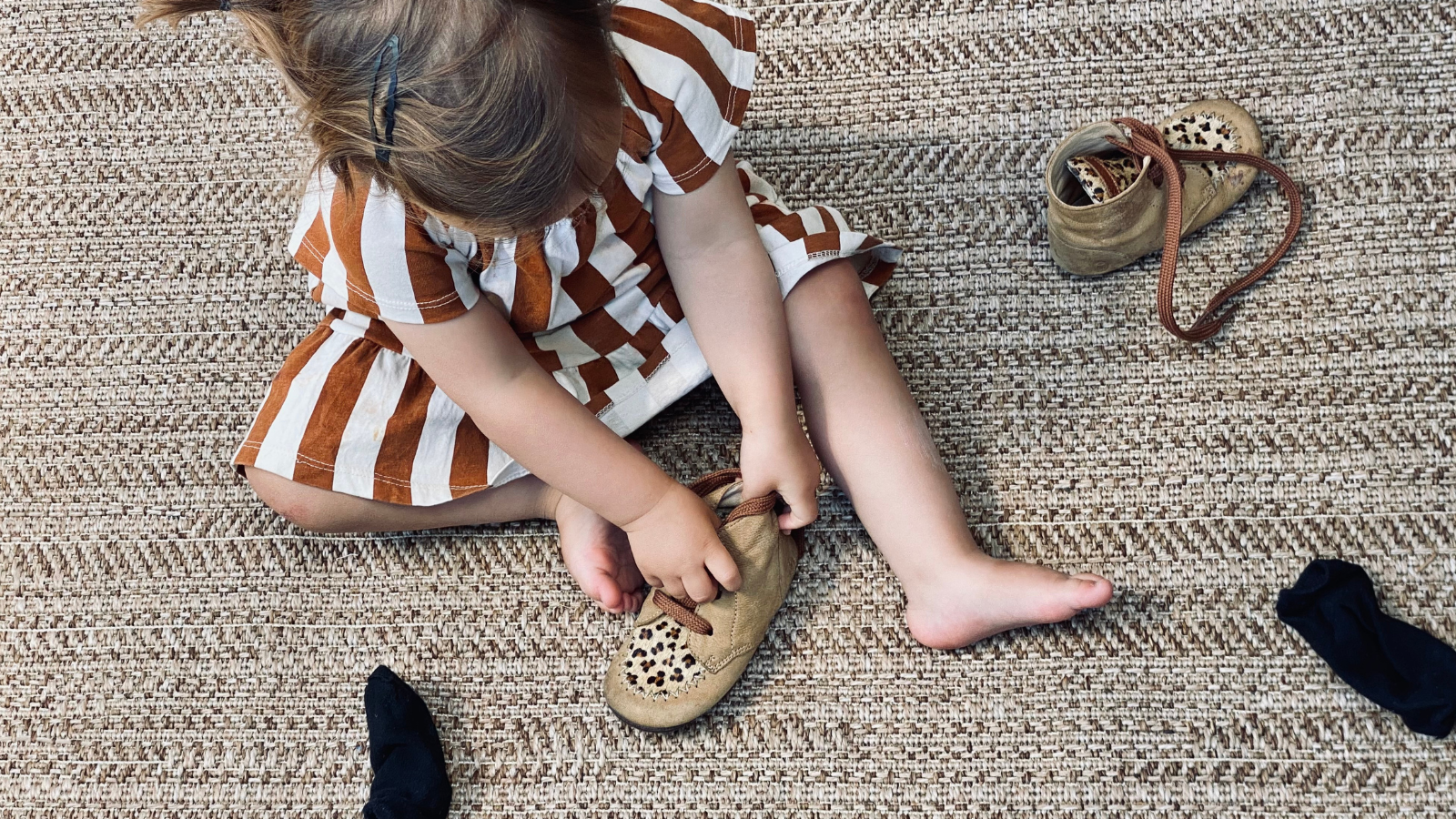
- Once your baby starts to walk unaided, typically around 12 to 18 months, it's time to consider proper footwear. Shoes at this stage should be lightweight, flexible, and made of breathable materials to allow natural foot movement and growth.
- When your child begins to walk outdoors, they will need shoes that provide protection. These should have a soft sole with good grip to prevent slips and falls, and they should be well-fitted to avoid restricting natural foot development.
- Children’s feet grow quickly, so it’s essential to have their feet measured regularly by a trained shoe fitter, ideally every 6 to 8 weeks in the first few years.
Children’s shoes
How many pairs of shoes does a child need?
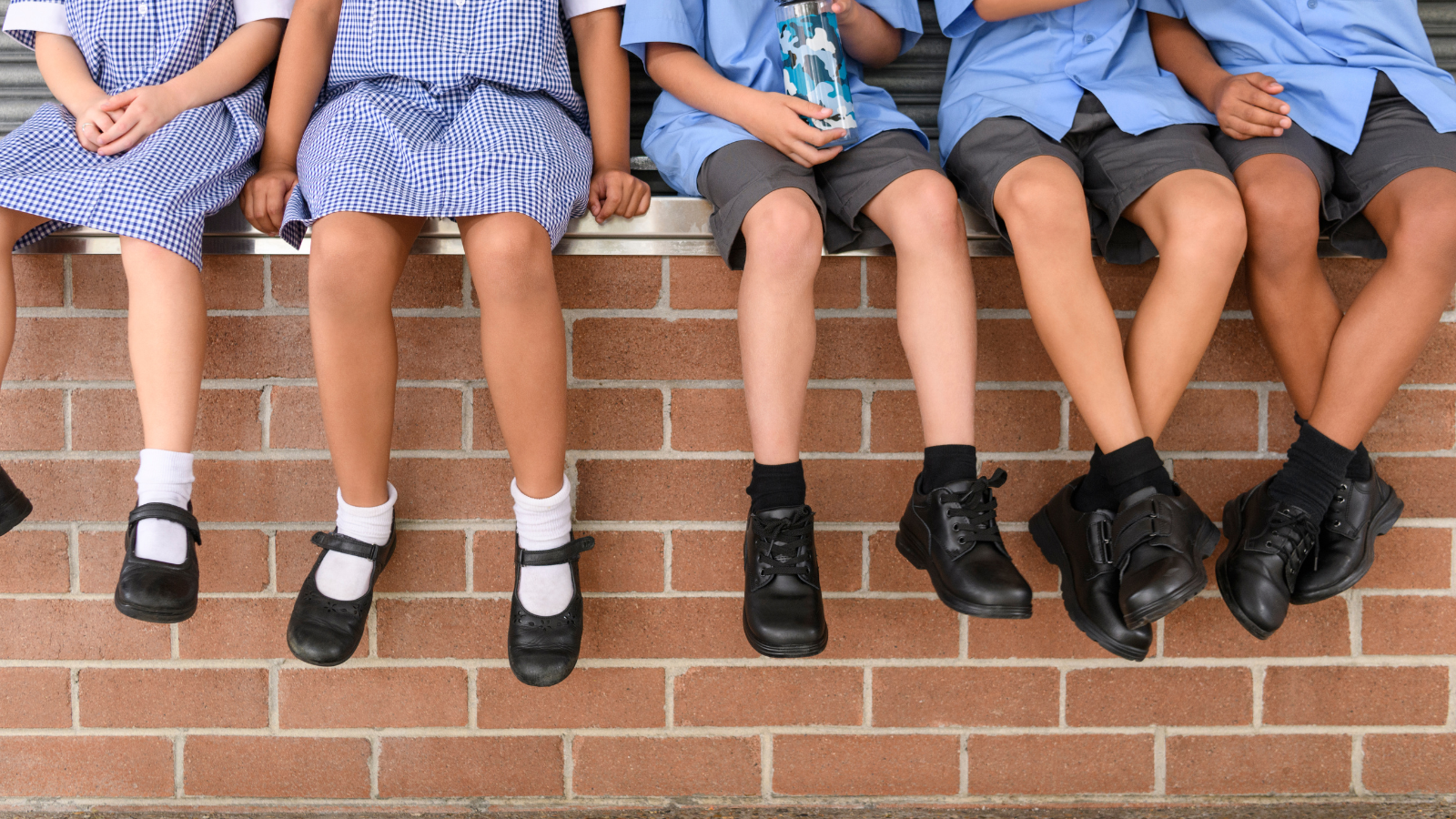
- Everyday Shoes:
- 1 pair of well-fitting, comfortable shoes are essential for daily wear. These should provide good support and be suitable for a variety of activities, including running, playing, and walking.
- School Shoes:
- 1 pair of school shoes that are sturdy and appropriate for the school environment. Ensure they are comfortable and provide adequate support for all-day wear.
- Outdoor/Play Shoes:
- 1 pair of durable, play-specific shoes, such as trainers. These should be designed to handle rough play and outdoor activities.
- Seasonal Footwear:
- 1 pair of sandals for warm weather, which should be comfortable and provide some level of foot protection.
- 1 pair of waterproof boots for wet or snowy conditions, keeping their feet dry and warm.
- Sports Shoes:
- 1 pair of sports-specific shoes, such as running shoes or soccer cleats, depending on the child’s interests and activities. Make sure these shoes are appropriate for the specific sport or activity.
- Smart Shoes:
- 1 pair of dress shoes for formal occasions or special events. These should be comfortable enough to wear for a few hours at a time.
Additional Tips:
- Regularly Check Fit: Children’s feet grow quickly, so it’s important to check their shoe size every few months.
- Rotate Shoes: Avoid wearing the same pair of shoes every day to give them time to air out and reduce the risk of fungal infections.
- Consider the Climate: Adjust the number and type of shoes based on the weather and activities in your area.
Teenage shoes
Advising a teenager on which shoes to wear can be a bit challenging, especially since teenagers often prioritise fashion and peer trends over comfort and functionality. Here are some tips on how to guide them towards making good footwear choices.

1. Understand Their Style Preferences
- Listen First: Ask your teenager about their style preferences and favourite brands. Understanding what they like can help you find shoes that meet both their style and functional needs.
- Find a Balance: Look for shoes that are stylish but also provide the necessary support and comfort.
2. Highlight the Importance of Comfort and Support
- Explain Consequences: Discuss how wearing the wrong type of shoes can lead to foot problems, discomfort, and even affect posture and overall health.
- Show Options: Introduce them to stylish brands that also focus on comfort and support. Many athletic and casual shoe brands now offer trendy designs.
3. Consider Their Activities
- Daily Wear: Recommend versatile shoes that are comfortable for daily wear, such as well-cushioned sneakers or casual shoes.
- Sports and Exercise: Emphasise the importance of wearing sport-specific shoes for activities like running, basketball, or gym workouts. These shoes are designed to provide the necessary support and reduce the risk of injury.
- Special Occasions: Suggest having a pair of dress shoes for formal events. Look for styles that offer both elegance and comfort.
4. Teach Proper Shoe Maintenance
- Rotation: Encourage them to rotate between different pairs of shoes to allow each pair to air out and maintain their shape.
- Cleaning: Show them how to properly clean and care for their shoes to extend their lifespan.
5. Prioritise Fit
- Proper Measurement: Ensure they get their feet measured regularly, as teens can still experience foot growth. A properly fitting shoe is crucial for comfort and foot health. Take a look at our shoe fitting guide.
- Try Before Buying: Advise them to always try on shoes and walk around in them to ensure they fit well and feel comfortable.
6. Encourage Practical Choices
- Seasonal Footwear: Suggest appropriate footwear for different seasons, such as waterproof boots for winter and breathable shoes for summer.
- Heel Height: For those interested in fashion, suggest limiting the use of high heels to special occasions and opting for lower, more supportive heels for regular wear.
7. Set a Good Example
- Lead by Example: Wear comfortable and appropriate shoes yourself to set a positive example.
- Be Supportive: Offer to go shoe shopping with them to provide guidance and support in making good choices.
Proper footwear is essential for children’s foot health at every stage of their development. Regular checks and consultations with professionals can prevent minor issues from becoming serious problems. If you have concerns about your children's feet or footwear, don't hesitate to seek advice. Taking these steps will help ensure your children’s feet stay healthy and well-supported as they grow.
If you are concerned about your child's foot health, get in touch.
Do You Have Difficulty Shopping for Shoes? Here’s How to Get the Perfect Fit 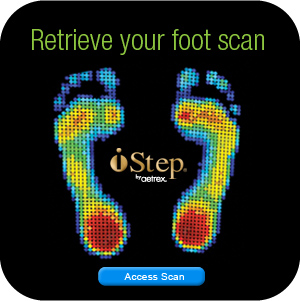
Shoe shopping can be a daunting task, especially if you struggle to find the right fit. According to a study conducted by the College of Podiatry, out of 2,000 adults surveyed, one-third of men and nearly half of women admitted to purchasing shoes that didn't exactly fit. While it might not seem like a huge deal if a pair of heels feels a smidge too tight, improperly fitting shoes can actually have several negative health effects. Hammertoe deformities, bunion growth, and consistent foot pain are common consequences, but poorly fitting shoes can also contribute to issues like headaches, knee, hip, and back pain.
The Importance of Properly Fitting Shoes
As a podiatrist who also supplies and fits shoes, I've come to realise that the only way to purchase a comfortable pair of shoes that will suit your individual needs is to have the shoes fitted to your feet. It's essential to try different sizes and different width fittings until you find the correct and most comfortable shoe for you. Variations in size with different brands mean that a certain size in one brand may not be the same in another.
Shoes are made on a three-dimensional wooden or plastic mold known as a shoe last. The last used during shoe assembly can affect the overall fit of a shoe. Even though all lasts include dimensions such as heel width, instep height, forefoot width, and toe box depth, some lasts feature a deeper toe box or a wider forefoot, while others might offer a narrower heel. This variability means it's worth taking the time to choose and try the shoes in shops.
Tips for Finding the Perfect Fit
Have Your Feet Measured: Just as you wouldn't buy shoes for your child without measuring their feet, it's important for adults to have their feet measured too. Accurate measurements can prevent many foot-related issues.
Try Before You Buy
Always try shoes on before purchasing. Walk around the store with both shoes on and wear the hosiery that you would normally wear with the shoes you're trying to buy. This ensures you get a realistic sense of how the shoes will feel during everyday use.
Consider Different Brands and Styles
Don't stick to one brand or style. Different brands use different lasts, which can significantly affect the fit. A size 8 in one brand may feel completely different in another.
Check for Width Fittings
Many people focus only on the length of the shoe, but width is equally important. Look for shoes that offer various width fittings to ensure a snug but comfortable fit.
Use a Foot Scanning Service
Some clinics, like ours in Basildon and Romford, offer foot scanning services. These scans provide valuable information about your arch type, pressure patterns, and exact size—all important factors when choosing the right shoe.
Seek Professional Advice
If you're unsure about what type of shoe is best for you, consult with a podiatrist or a footwear consultant. They can provide personalized recommendations based on your specific foot structure and needs.
Why It’s Worth the Effort
Investing time and effort into finding the right pair of shoes can save you from a host of foot problems. Properly fitting shoes provide the necessary support and comfort, preventing conditions such as hammertoes, bunions, and chronic pain. Moreover, wearing the right shoes can improve your posture and alleviate strain on your knees, hips, and back.
If you require shoe fitting advice or would like to try shoes that are supplied at the Basildon and Romford Surgeries, call us. Our Footwear Consultants, Sandra and Simone, will be happy to assist you, book your appointment. With our foot scanning service, you can understand your foot structure comprehensively, helping you make informed decisions when purchasing shoes.
Remember, your feet carry you through life. Taking the time to find shoes that fit well is a crucial step in maintaining overall health and comfort.
To Book your Footscan call Basildon 01268 553653 or Romford 01708 728498
Are you walking, hiking, or running?
My patients are really pleased with Gehwol
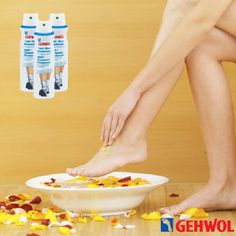
a refreshing and caring cream for tired and sore feet that really take a beating.
- Gehwol Foot cream has been known since 1882
- The cream prevents aching feet, blisters, and soreness
- The anti-inflammatory effect prevents infections, brings the perspiration back to a normal level, and eliminates foot odour, and other side effects of excessive perspiration.
- Gehwol foot cream strengthens the skin and leaves it more resilient.
- Gehwol contains chloroxylenol and oil of thyme which deodorizes, disinfect, and help to protect from athletes’ foot.
- Gehwol contains Camphor which stimulates the blood flow
- Gehwol contains menthol which refreshes while the base ointment of medicated soap, Vaseline, lanolin and talcum protect the skin against wounds and blisters
We are stockits of Gehwol Foot cream.
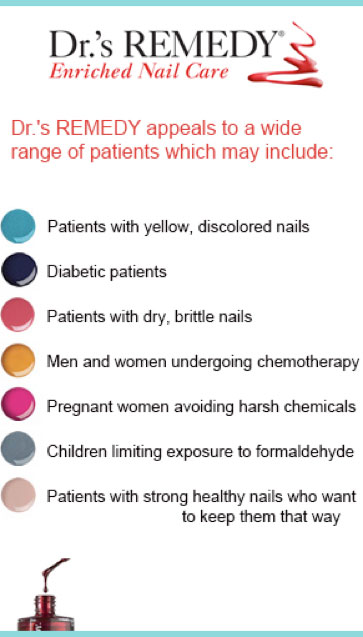
Welcome to Dr.’s Remedy Enriched Nail Care
Podiatrist Formulated Nail Care
Brilliant Colours
Enriched Formula
Dr.’s REMEDY® is a line of podiatrist formulated nail care created by board certified podiatrists, Dr. Adam Cirlincione and Dr. William Spielfogel.
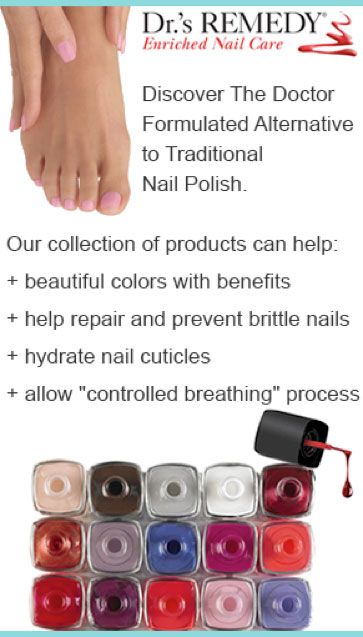
Our collection of products includes over thirty luxurious nail colours and as well as nail care solutions, which can minimize the appearance of dry brittle nails, hydrate nail cuticles and improve the wear-time of your nail colour.
Each product is infused with a special blend of ingredients selected by Dr. Cirlincione and Dr. Spielfogel.
This blend includes:
wheat protein,
tea tree oil,
garlic bulb extract and lavender.
Dr.’s Remedy is the best alternative nail care line for anyone who wants beautiful looking nails and wants to avoid formaldehyde, formaldehyde resin, toluene and DBP. Dr.’s Remedy is vegan friendly and utilizes a range of organic ingredients.
Vist us to see full range
 |
 |
Do you often find yourself dealing with persistent foot pain and wondering if your weight might be a contributing factor? If so, you're not alone. Foot pain can be a significant barrier to staying active and losing weight, creating a frustrating cycle that many people struggle to break. Understanding the connection between weight and foot health is crucial for finding effective solutions and improving your overall well-being.
The Link Between Weight and Foot Health
Carrying excess weight can put additional stress on your feet, leading to various foot problems. Here are some common conditions that can be exacerbated by being overweight:
Osteoarthritis
This degenerative joint disease can affect the feet, causing pain, swelling, and reduced mobility. Extra weight increases the pressure on your joints, accelerating the wear and tear process.
Type 2 Diabetes
Being overweight is a significant risk factor for type 2 diabetes, which can lead to complications such as neuropathy (nerve damage) and poor circulation. These issues can result in foot pain, ulcers, and infections.
Gout
Excess weight can increase uric acid levels in the blood, leading to gout. This form of arthritis causes sudden, severe pain, redness, and swelling in the joints, often starting with the big toe.
Common Foot Pain Conditions Related to Weight
Several specific foot conditions are more prevalent or worsened by carrying extra pounds,
Plantar Fasciitis
This condition involves inflammation of the plantar fascia, the band of tissue that runs along the bottom of your foot. Excess weight can strain this tissue, leading to heel pain and discomfort, especially upon waking up or after long periods of inactivity.
Posterior Tibial Tendonitis
This tendon supports the arch of your foot. When overburdened by extra weight, it can become inflamed or torn, resulting in pain along the inside of the ankle and foot.
Arthritis
Arthritis in the foot can cause significant pain and stiffness, particularly in the ankle and subtalar joint. Extra weight increases the load on these joints, worsening the symptoms.
Seeking Help from a Podiatrist
If you're experiencing foot pain and suspect that your weight may be a contributing factor, it's essential to seek professional help. A podiatrist can provide valuable guidance and treatment options to alleviate your pain and improve your foot health. Here are some ways a podiatrist can help,
Routine Foot Treatment
Regular check-ups and treatments can address issues such as calluses, corns, and nail problems, which can be particularly problematic for overweight individuals.
Foot Care Advice
Podiatrists can offer personalised advice on foot hygiene, exercises, and stretches to keep your feet healthy and pain-free.
Footwear Advice
Wearing the right shoes is crucial for managing foot pain. A podiatrist can recommend footwear that provides adequate support, cushioning, and stability to reduce strain on your feet.
Orthotics
Custom-made insoles or orthotics can help redistribute pressure, support your arches, and correct any biomechanical issues contributing to your pain. These devices can make walking more comfortable and help you stay active.
Breaking the Cycle
It's understandable that foot pain can make it challenging to engage in physical activities necessary for weight loss. However, taking the first step to address your foot health can create a positive feedback loop. As your foot pain decreases, you'll find it easier to incorporate more physical activity into your routine, which can help with weight loss and further reduce the strain on your feet.
Foot pain and weight are often interconnected, but with the right support and treatment, you can break the cycle and improve both your foot health and overall quality of life. Don't let foot pain hold you back—reach out to us for expert advice and personalised care. Together, we can develop a plan to alleviate your pain, support your feet, and take strides towards a healthier, more active lifestyle.
These are not just any socks
These are
The healthiest socks that you will ever wear.
Aetrex Copper Socks
Aetrex Socks, with Copper Sole™ Technology are
- Unsurpassed in comfort, performance, and protection.
- Clinically proven to help prevent bacteria, fungi, and odour.
- Improve skin texture and appearance.
Copper ions, embedded in the yarn and guaranteed to last for the life of the sock, provide superior protection and eliminate 99.9% of bacteria, fungi and odours commonly found in feet.
Read the amazing story of
how Copper Socks helped trapped
Chilean Miners, and remarkably
improved their skin conditions.
During the spring and summer months the skin around the heels can become dehydrated, hard and flaky due to sandal wear.
Heel fissures, also known as cracked heels, can be a cosmetic problem but can also be painful, bleed and lead to serious medical problems if infection enters the broken skin.
Heel fissures can affect anyone, but risk factors include: living in a dry climate, being overweight, walking barefoot or wearing sandals or open-backed shoes. Diabetes, poor circulation and inactive sweat glands can also be predisposing factors, it is essential in these cases to have podiatric care to prevent further problems.
Treatment and Prevention
Filing the heels using a foot file ( NOT a harse 'cheese grater type file) before a shower or bath can help to decrease the thick and flaky layer of skin, daily application of a suitable heel balm or foot moisturiser will help prevent dehydration and keep the skin supple and elastic. Avoid going barefoot or wearing open-backed shoes, sandals or shoes with thin soles. Shoes with good heel shock absorption can help to improve the condition.
If you are unable to resolve the condition then a visit to your podiatrist can help manage the problem, prevent complications and help the skin around the heels look much healthier!
Latest Tips
- When your feet need more than just a good shoe
- Cracked heels? Get your feet summer-ready!
- Fungal Nail Infection – caught early and managed with combined care
- Corn removal in Essex. Safe, effective treatment for painful corns
- Why Heel Pain Is So Common
- At FootScan appointment at Essex Footcare
- The Complete Guide to Footwear: Choosing the Right Shoes for Every Occasion
- How is Your Socks Life?
- What is Swift Microwave Therapy?
- Is your ingrown nail a right pain the foot ?
What People Say
-
Verruca
Sushila treated the Verruca and I have made another appointment for...
-
Dermatology
.page-testimonial { padding: 10px; background: #019ddd; margin-bottom:10px; border-radius: 4px; } .page-testimonial img...